Duck Breast with Fig and Red Wine
Highlighted under: World Kitchen Essentials
I absolutely adore the combination of duck breast with rich, sweet figs and a velvety red wine sauce. The first time I tried this dish, I was blown away by how the succulent duck pairs beautifully with the natural sweetness of the figs. It elevates any meal, whether it's a cozy dinner at home or a special celebration. The process might seem intricate, but with a few simple steps, you can create a gourmet experience that will impress your guests and tantalize your taste buds.
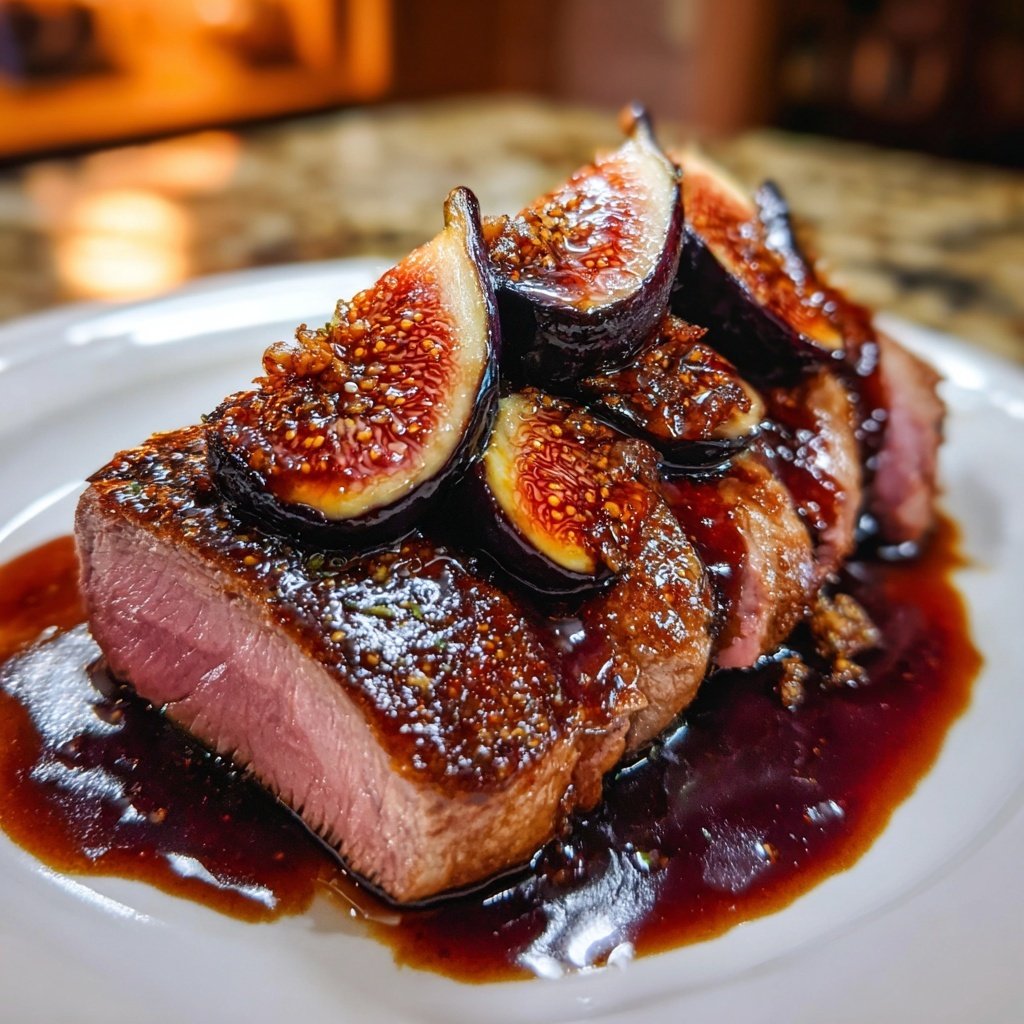
When I first embarked on the culinary adventure of making Duck Breast with Fig and Red Wine, I was amazed by how uncomplicated yet satisfying the entire process was. The key is to render the duck skin slowly, allowing it to become perfectly crispy while retaining the succulent meat. Pairing it with a rich reduction of red wine and fresh figs created a flavor that was simply divine.
Another vital element I discovered was the importance of letting the duck rest after cooking. This brief pause allows the juices to redistribute, ensuring every slice is tender and packed with flavor. Trust me, this little trick makes a world of difference in achieving the perfect bite each time!
Why You'll Love This Recipe
- The rich, savory flavors of duck coupled with sweet, juicy figs.
- A luxurious red wine reduction that enhances every bite.
- Perfect for date nights or impressing guests with minimal effort.
Creating the Perfect Duck Skin
One of the keys to achieving that perfect crispy duck skin lies in scoring. By making shallow cuts in a crisscross pattern, you not only allow the fat to render more effectively, but you also increase the surface area for crispiness. Take care not to cut too deeply into the meat; ideally, you want to score just the skin. This technique also helps the seasoning penetrate better, enhancing the overall flavor of the duck breast.
Cooking the duck breasts in a cold skillet is another crucial step. Starting from a cold pan allows the fat to render slowly, which is essential for achieving that coveted crispiness. Keep the heat at medium; if it’s too high, the skin may burn before the fat renders completely. You want to watch for the skin to turn a golden brown and develop crispy edges, which usually takes about 8-10 minutes.
The Role of Figs and Wine in the Sauce
Fresh figs play a dual role in this dish. Their natural sweetness complements the rich, savory flavor of the duck and provides a soft texture contrast against the tender meat. If fresh figs aren’t available, dried figs can be used. Just remember to hydrate them in warm water for about 30 minutes beforehand to mimic the moisture of fresh ones. This promotes a richer flavor in the fig reduction.
When it comes to the red wine reduction, choosing the right wine is important. Look for a full-bodied wine that you enjoy drinking; this will ensure the flavors in the reduction are robust and delicious. As the sauce simmers, the alcohol will cook off, leaving behind concentrated flavors that enhance the figs and complement the duck beautifully. Aim for a sauce consistency that coats the back of a spoon – thick, but not overly sticky.
Ingredients
Gather the following ingredients to create this delightful dish:
For the Duck Breast
- 2 duck breasts, skin on
- Salt and pepper, to taste
For the Fig Reduction
- 1 cup fresh figs, halved
- 1 cup red wine
- 2 tablespoons honey
- 1 tablespoon balsamic vinegar
- 1 tablespoon butter
Make sure to prepare all your ingredients ahead of time for a smoother cooking experience.
Instructions
Follow these steps to create an exquisite Duck Breast with Fig and Red Wine:
Prepare the Duck
Score the skin of the duck breasts in a crisscross pattern, being careful not to cut into the meat. Season liberally with salt and pepper.
Cook the Duck
Place the duck breasts skin-side down in a cold, dry skillet over medium heat. Slowly render the fat for about 8-10 minutes until the skin is golden and crispy. Flip the breasts over and cook for another 5-7 minutes for medium doneness. Remove from the skillet and let rest.
Make the Fig Reduction
In the same skillet, pour off excess fat, leaving around a tablespoon. Add the figs, red wine, honey, and balsamic vinegar. Simmer until the sauce thickens, about 10 minutes. Stir in the butter for a glossy finish.
Serve
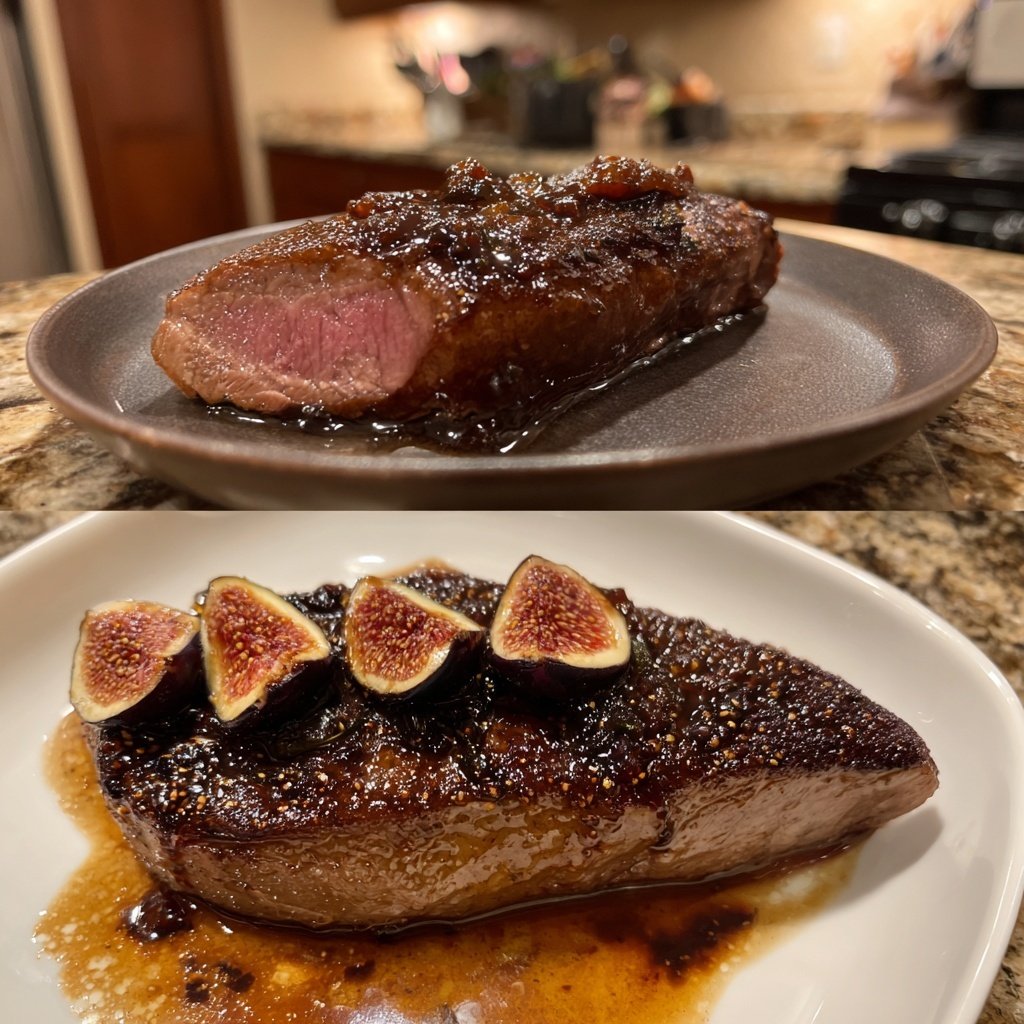
Slice the duck breast and arrange it on a plate. Spoon the fig reduction over the top and enjoy your gourmet meal!
Enjoy your dish while it's hot, and consider pairing it with a nice side of mashed potatoes or a simple green salad!
Pro Tips
- To enhance the flavors, feel free to add herbs like thyme or rosemary to the reduction. They will bring a lovely aroma and depth to the dish.
Storage and Make-Ahead Tips
If you're planning to make this dish ahead of time, the duck can be cooked in advance and reheated just before serving. Allow the duck to rest after cooking, then store it in the refrigerator, covered, for up to two days. When you're ready to serve, gently reheat the duck in a skillet over low heat, skin-side down, to avoid drying it out while crisping the skin again.
The fig reduction can also be made up to a day ahead. Store it in an airtight container in the fridge. When you’re ready to serve, simply reheat it in a saucepan over medium heat. If the sauce has thickened too much, add a splash of water or additional red wine to bring it back to a pourable consistency.
Serving Suggestions and Variations
For a colorful presentation, serve the duck breast alongside a vibrant vegetable medley, such as sautéed green beans or roasted carrots. The contrasting colors will make your dish visually appealing and add fresh flavors that complement the richness of the duck and fig reduction. A sprinkle of microgreens or fresh herbs over the top can elevate the presentation even further.
If you're feeling adventurous, consider adding a touch of spice to your fig reduction. A hint of cinnamon or a pinch of red pepper flakes can introduce an unexpected but delightful warmth to the sauce. Additionally, experimenting with different fruit reductions, such as cranberry or pomegranate, can provide a new twist while keeping the essence of the dish intact.
Questions About Recipes
→ Can I use frozen duck breasts?
Yes, just make sure to thaw them completely before cooking.
→ What type of red wine should I use?
A dry red wine like Cabernet Sauvignon or Merlot works beautifully.
→ Can I substitute figs?
You can use dried figs or other fruits like cherries for a different twist.
→ How do I know when the duck is cooked properly?
Aim for an internal temperature of 135°F for medium rare; a meat thermometer can help.
Duck Breast with Fig and Red Wine
Created by: Adele Summers
Recipe Type: World Kitchen Essentials
Skill Level: Intermediate
Final Quantity: 4 servings
What You'll Need
For the Duck Breast
- 2 duck breasts, skin on
- Salt and pepper, to taste
For the Fig Reduction
- 1 cup fresh figs, halved
- 1 cup red wine
- 2 tablespoons honey
- 1 tablespoon balsamic vinegar
- 1 tablespoon butter
How-To Steps
Score the skin of the duck breasts in a crisscross pattern, being careful not to cut into the meat. Season liberally with salt and pepper.
Place the duck breasts skin-side down in a cold, dry skillet over medium heat. Slowly render the fat for about 8-10 minutes until the skin is golden and crispy. Flip the breasts over and cook for another 5-7 minutes for medium doneness. Remove from the skillet and let rest.
In the same skillet, pour off excess fat, leaving around a tablespoon. Add the figs, red wine, honey, and balsamic vinegar. Simmer until the sauce thickens, about 10 minutes. Stir in the butter for a glossy finish.
Slice the duck breast and arrange it on a plate. Spoon the fig reduction over the top and enjoy your gourmet meal!
Extra Tips
- To enhance the flavors, feel free to add herbs like thyme or rosemary to the reduction. They will bring a lovely aroma and depth to the dish.
Nutritional Breakdown (Per Serving)
- Calories: 450 kcal
- Total Fat: 30g
- Saturated Fat: 8g
- Cholesterol: 95mg
- Sodium: 500mg
- Total Carbohydrates: 20g
- Dietary Fiber: 3g
- Sugars: 12g
- Protein: 32g